
Foundation raising in Placentia CA - floors that sit steady and closer to level
Doors sticking, floors sloping or cracks opening up? We find out why the house moved, then get it stable and closer to level.
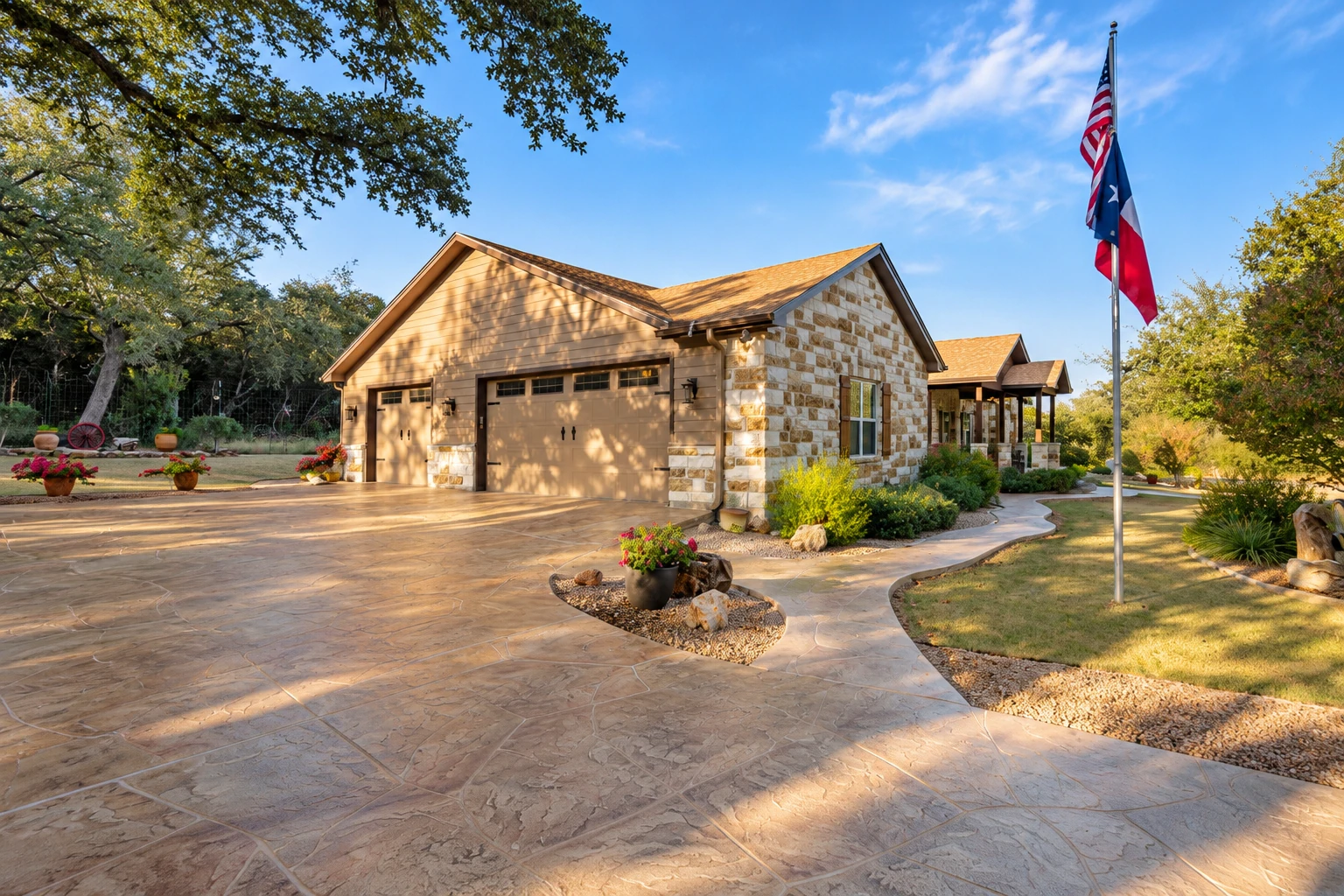
Foundation raising in Placentia, CA, lifts a house that has settled back toward level on supports called piers, which can also help keep it from settling again. Most calls start with a door that won't latch, a crack creeping across a wall or a floor you can feel slope underfoot, and I start by finding out why it moved.
The price and the schedule turn on whether your house sits on a slab or a raised floor, how much of it moved, how many piers it takes and whether water by the foundation needs fixing first. If a patio or walk is in the way, our concrete cutting work opens it neatly, and we can pour a new driveway if yours cracked along with the house. I'll measure it all and put it in writing.
How we handle foundation raising at your house
- Finding the cause first. I read the cracks, the slopes and where your water drains before we plan anything, because a fix aimed at the wrong cause won't hold.
- Push piers or helical piers. Push piers get driven down using the house's own weight, while helical piers screw in with a hydraulic motor, and one trade article says helicals suit homes too light to push against.
- Stable, not perfectly flat. We lift part of the way and get the house stable, because pushing for dead-flat floors tends to crack plaster, tile and plumbing somewhere else in the house.
- The owner on every job. I come out to look and give the estimate, and our own crew does the work with me on site. We've done it that way since 2021.
- Licensed and insured for your job. We're licensed and insured, and I'm happy to show you both before anyone starts digging near your house.
Signs your foundation has moved
| Problem | What it looks like | Usual fix |
|---|---|---|
| Settled corner | What it looks like: One corner dips, a door sticks and a crack runs off the frame | Usual fix: Piers under that corner and a partial lift |
| Slab pushed up | What it looks like: A hump mid-floor with cracks spreading out from the high spot | Usual fix: Stop the water first, since piers anchor the wrong part |
| Sagging raised floor | What it looks like: Soft, sloping floors over a crawl space and gaps at the baseboards | Usual fix: Jack the beams and shim the piers |
| Water soaking the soil | What it looks like: Puddles by the foundation and downspouts emptying right beside the house | Usual fix: Send the water away so the soil stops moving |
One corner, whole house or raised floor
- One corner. When the movement stays in one spot, leveling just that corner costs considerably less than lifting the whole footprint and leaves the rest of the house alone.
- Whole slab on piers. When settling runs along more than one side of a slab house, piers go in around the outside so the whole house gets support.
- Raised-floor shimming. On a raised floor, hydraulic jacks lift the beams, then shims of steel, concrete or other material go in bit by bit to hold the level.
How we plan and run the lift
- A look at the floors. You call, and I come out to walk the floors, measure how far they've moved and ask what you've noticed and when it started.
- Written estimate. You get a written estimate that spells out the cause we think is behind it, the method, where the piers go and how far we aim to lift.
- Permit before digging. If the city has to sign off, we get the permit lined up before anything gets dug up, so the paperwork is settled before the work starts.
- Lift day. Our crew covers your yard, works around your sprinklers and lifts in small steps while we watch the floors, cleaning up as we go.
- Final walk-through. I walk the finished job with you, show you where the floors ended up and point out anything worth keeping an eye on.
Keeping the house level after the lift
A house that's leveled properly on stable soil shouldn't need it again, and there's no service schedule to keep up with. If it starts moving again, something like water soaking the soil is still at work. One guide suggests checking with a level once a year, since movement back within a few seasons means the cause is active.
We're based in Placentia and work for homeowners here and in the cities around it, from Fullerton to Yorba Linda, people who live in the house while we work. If your floors have started to slope, call (714) 798-2825 for a free estimate and I'll come take a look.
Tell us about your floors
Tell us whether your house is on a slab or a raised floor and which rooms slope. We'll get back to you within one business day to book a visit.
(714) 798-2825- Free estimate at your house
- No obligation to book
- Everything spelled out in writing
Foundation raising questions we hear
How much does foundation raising cost in Placentia?
Leveling a whole house usually costs about $3,500 to $30,000 per job across the US, with slab homes at the higher end. That's a national range, not our price, so I'll measure your house and put your number in a written estimate.
Is my house sinking or being pushed up by the soil?
You often can't tell by looking, because a house pushed up by swelling soil can look just like one that settled. It matters, since putting piers under a slab that's being pushed up anchors the part that wasn't moving, so that's the first thing I sort out.
Can I stay in my house during foundation raising?
Usually, yes, you can stay home the whole time, though slab work is noisy and means digging around the outside of the house. One guide puts shimming a raised floor at 1 to 3 days and setting piers under a slab at 3 to 7, depending on how many piers go in.
Where do I apply for a foundation permit in Placentia?
Applications and plans go to the city's Building Division for review after planning and zoning clearance, and they're filed in person at City Hall while the online permit center is in testing. If you're unsure your job needs one, call the division at (714) 993-8124, and when it does, we handle the application and set up the inspections.
What license does a contractor need to raise a house in California?
California has a building moving class of license that covers work that raises, lowers or adds support under a house, including its foundation. That class leaves out repairs to the parts of the house that stay put, so it's fair to ask any bidder what license they work under and check it with the state licensing board.
Does liquefaction in Placentia cause foundations to settle?
The city says liquefaction, where soil loses its strength, can cause settlement and loss of foundation support, and its building codes require structures in its mapped high liquefaction areas to be designed for it. That's a planning fact for mapped areas, not a read on your house, so I look at what's under yours before we lift.